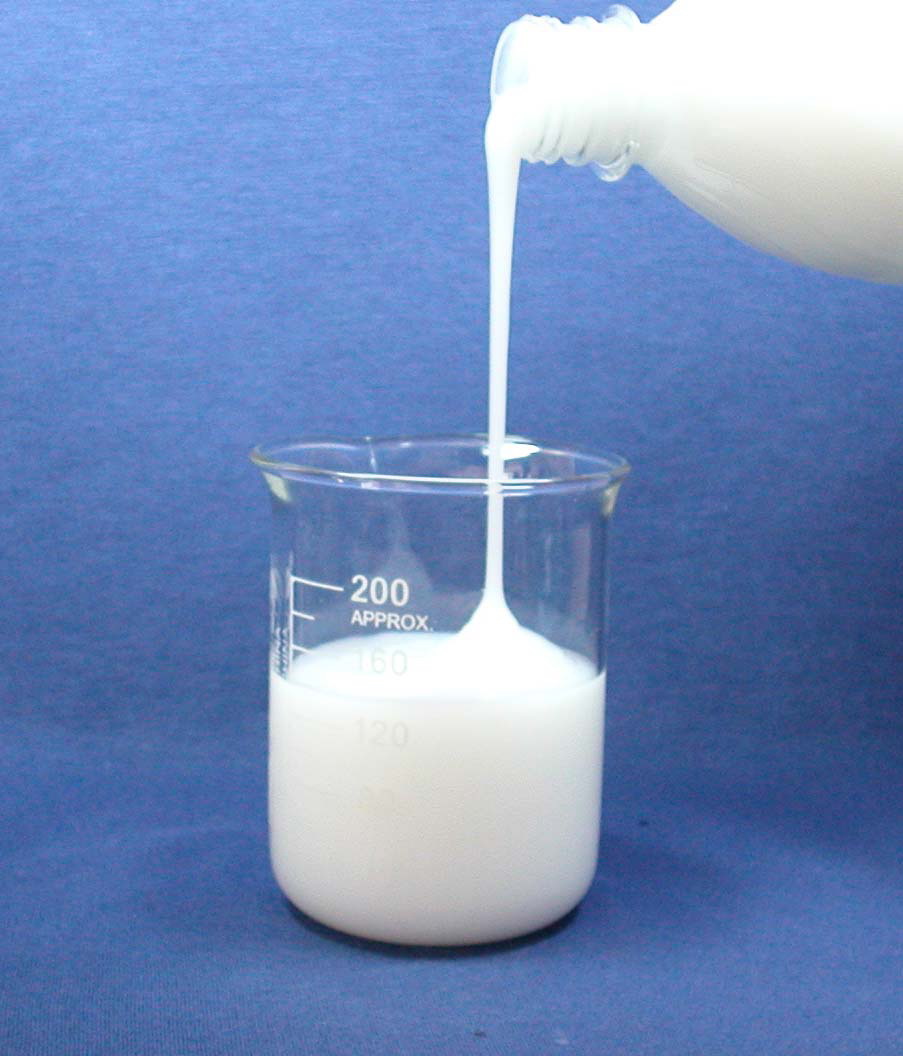
Silica bốc khói kỵ nước

Trang chủ

Silica bốc khói kỵ nước

  • Áp dụng silica bốc khói trong defoamer
    Áp dụng silica bốc khói trong defoamer
    Mar 11, 2025
    Defoamers hiện đang là một phụ gia được sử dụng rộng rãi, đóng một vai trò quan trọng trong các lĩnh vực khác nhau như thực phẩm, hóa dầu, làm giấy và làm sạch công nghiệp. Trong số đó, các chất khử trùng silicon là các sản phẩm defoamer được sử dụng rộng rãi và tiêu thụ nhiều nhất. Các loại defoamers khác, chẳng hạn như dầu khoáng và polyether, bổ sung cho các ứng dụng của các chất khử trùng dựa trên silicon. Các thành phần chính của các chất khử trùng silicon bao gồm bột silicon, chất nhũ hóa và chất làm đặc, với bột silicon là thành phần hoạt chất trong các chất khử trùng silicon. Silicone Paste chủ yếu bao gồm dầu silicon (hoặc dầu khoáng, dầu thực vật, v.v.) và silica. Là một thành phần thiết yếu của defoamers, silica đóng một vai trò quan trọng.Lấy một chất khử trùng với dầu silicon dimethyl làm cơ sở silicon làm ví dụ, do khả năng phân tán kém và độ hòa tan thấp của dầu silicon dimethyl trong các hệ thống nhũ tương, cần phải sử dụng silica (màu đen carbon trắng) hoặc các chất nhũ hóa khác nhau để cải thiện sự phân tán của nó. Các nhóm silanol màu đen carbon trắng có thể tạo thành liên kết hydro với nước, làm tăng độ nhớt của hệ thống, đạt được hiệu ứng làm dày và thúc đẩy sự phân tán và ổn định của defoamer. Do kích thước hạt nhỏ, diện tích bề mặt riêng lớn và năng lượng bề mặt cao của màu đen carbon trắng, nó có thể tạo ra một lực đáng kể cho bong bóng hấp phụ. Cùng với dầu silicon, nó tạo thành một lực tấn công bong bóng, tạo ra các điểm yếu. Dưới sức căng bề mặt thấp của dầu silicon, các bong bóng vỡ, dẫn đến khử oxy. Đây là nguyên tắc chung về cách thức hoạt động của Defoamers. Tóm lại, màu đen carbon trắng chủ yếu phục vụ cho các bong bóng dày, phân tán và hấp phụ trong các chất khử. Black carbon trắng ưa nước có khả năng tương thích kém với dầu silicon, trong khi màu đen carbon trắng kỵ nước, sau khi điều chỉnh bề mặt, có thể được làm ướt tốt và phân tán trong các hệ thống dầu silicon do tính kỵ nước của nó.Phương pháp chuẩn bị của defoamers chủ yếu liên quan đến hai bước. Bước đầu tiên là việc chuẩn bị silicone, liên quan đến sự phân tán và phản ứng của màu đen carbon trắng trong dầu silicon. Bước thứ hai liên quan đến việc thêm chất nhũ hóa, chất làm đặc và các chất phụ gia khác để nhũ hóa và phân tán silicon dán vào một nhũ tương, sau đó có thể được pha loãng khi cần thiết để chuẩn bị chất khử chất của các nồng độ khác nhau. Trắng carbon đen có thể được chia thành hai loại dựa trên các quy trình sản xuất: kết tủa carbon trắng đen và đen carbon trắng. Ưu điểm của carbon đen kết tủa nằm ở chi phí thấp, nhưng do kích thước hạt lớn hơn, nó dễ bị lắng đọng, có thể dẫn đến việc tắc nghẽn các bộ lọc trong nhiều ứng dụng defoamer. Ngược lại, màu đen carbon trắng bốc khói có kích thước hạt nhỏ hơn, tính chất huyền phù tốt hơn, khả năng tương thích tốt với chất nhũ hóa, đòi hỏi ít hơn phụ gia và có đặc tính dày và chống cháy tuyệt vời. Ngoài ra, màu đen carbon trắng bốc khói đã trải qua sửa đổi kỵ nước vốn có một số đặc tính khử màu nhất định, làm cho nó trở thành một giải pháp lý tưởng cho các vấn đề phải đối mặt bởi các carbon đen kết tủa trong các ứng dụng defoamer. Khi giá của màu đen carbon trắng bốc lên giảm, hiệu quả chi phí của nó trong các chất khử chất sẽ trở nên nổi bật hơn, làm cho nó trở thành một lựa chọn tuyệt vời cho các chất khử.Trong bối cảnh này, Geseesil 200, một sản phẩm silica ưa nước từ Gesee vật liệu mới, nổi bật như một lựa chọn chất lượng cao cho các công thức defoamer. Để biết thêm thông tin, hãy truy cập www.geseesiltech.com
    ĐỌC THÊM
  • What Is MTCS Modified Fumed Silica
    Jun 04, 2026
    Introduction MTCS Modified Fumed Silica is a type of hydrophobic fumed silica produced by chemically treating the surface of hydrophilic fumed silica with methyltrichlorosilane (MTCS). Through this modification process, reactive silanol groups (-SiOH) on the silica surface are replaced by hydrophobic methyl groups (-CH₃), significantly reducing moisture absorption and improving compatibility with non-polar systems. As a result, MTCS modified fumed silica exhibits excellent rheological control, anti-settling properties, thickening efficiency, and moisture resistance, making it an essential additive in adhesives, sealants, coatings, silicone rubber, and composite materials. How Is MTCS Modified Fumed Silica Produced? The production process begins with hydrophilic fumed silica obtained through flame hydrolysis of silicon tetrachloride (SiCl₄). The silica is subsequently treated with MTCS under controlled conditions. During the reaction, surface hydroxyl groups react with MTCS molecules to form stable Si–O–Si bonds while introducing hydrophobic methyl groups onto the silica surface. This surface modification changes the interaction between silica particles and surrounding media, resulting in enhanced hydrophobicity and improved dispersion behavior in many organic systems. Key Characteristics of MTCS Modified Fumed Silica Compared with hydrophilic fumed silica, MTCS modified grades offer several significant advantages: Excellent hydrophobicity Low moisture absorption Superior thickening efficiency in non-polar systems Outstanding anti-settling performance Improved storage stability Enhanced flow control and rheology adjustment Good dispersibility in organic media These properties make MTCS modified grades particularly suitable for formulations exposed to humid environments. Typical Applications 1. Silicone Sealants and RTV Systems MTCS modified fumed silica is widely used in RTV silicone sealants and silicone adhesives. It provides effective reinforcement, sag resistance, and viscosity control while maintaining excellent storage stability. 2. Adhesives and Sealants In polyurethane, MS polymer, and hybrid adhesive systems, MTCS modified silica improves rheology, prevents filler sedimentation, and enhances long-term performance. 3. Paints and Coatings Hydrophobic fumed silica is commonly employed as a rheology modifier and anti-settling agent in industrial coatings, marine coatings, and protective coatings. 4. Composite Materials The excellent compatibility of MTCS modified silica with organic resins makes it valuable in composite applications where mechanical strength and processing stability are required. MTCS Modified vs Hydrophilic Fumed Silica Property MTCS Modified Fumed Silica Hydrophilic Fumed Silica Surface Chemistry Methyl-treated Silanol-rich Water Affinity Hydrophobic Hydrophilic Moisture Absorption Very Low High Organic Compatibility Excellent Moderate Anti-Settling Performance Excellent Good Use in Sealants Highly Recommended Limited Conclusion MTCS Modified Fumed Silica is one of the most widely used hydrophobic fumed silica products in the market today. By replacing surface hydroxyl groups with methyl groups, it delivers superior moisture resistance, rheological performance, and formulation stability. For applications such as silicone sealants, adhesives, coatings, and composites, MTCS modified fumed silica remains a highly effective solution for improving product performance and processing efficiency. As a trusted fumed silica manufacturer, GESEESIL offers high-quality MTCS modified fumed silica grades designed to meet the demanding requirements of sealants, adhesives, coatings, and advanced material applications. Our products provide excellent hydrophobicity, rheological control, and long-term formulation stability, helping customers achieve consistent and reliable performance.  
    ĐỌC THÊM
  • MTCS vs. STC Fumed Silica: Understanding the Key Differences
    Jun 26, 2026
    MTCS vs. STC Derived Fumed Silica: What’s the Difference? Fumed silica is a high-performance material widely used in coatings, adhesives, sealants, silicone rubber, inks, and composites. Depending on the production process and surface treatment, fumed silica can exhibit very different properties. Two common routes involve the use of Silicon Tetrachloride (STC) and Methyltrichlorosilane (MTCS) as raw materials. Understanding the difference between these two types of fumed silica can help manufacturers select the most suitable product for their applications. 1. STC-Based Fumed Silica STC (Silicon Tetrachloride, SiCl₄) is the traditional raw material used to produce fumed silica through flame hydrolysis. The resulting product is typically hydrophilic fumed silica, characterized by a large number of hydroxyl (Si-OH) groups on the surface. Key Features: High specific surface area Excellent thickening and reinforcing properties Strong hydrogen bonding capability Good dispersion in polar systems Suitable for coatings, inks, silicone rubber, and resins Typical examples include AEROSIL® 200 and similar grades. 2. MTCS-Based Fumed Silica MTCS (Methyltrichlorosilane, CH₃SiCl₃) introduces methyl groups during the production process. As a result, the silica surface becomes inherently hydrophobic. This type of fumed silica is often referred to as hydrophobic fumed silica. Key Features: Excellent water repellency Low moisture absorption Improved dispersion in non-polar systems Enhanced anti-settling performance Better stability under humid conditions MTCS-derived fumed silica is widely used in sealants, adhesives, RTV silicone, thermal insulation materials, and waterproof coatings. 3. Comparison Between STC and MTCS Fumed Silica Property STC-Based Fumed Silica MTCS-Based Fumed Silica Surface Character Hydrophilic Hydrophobic Surface Groups Si-OH Si-CH₃ Moisture Absorption High Very Low Water Resistance Limited Excellent Polar System Compatibility Excellent Moderate Non-Polar System Compatibility Moderate Excellent Typical Applications Paints, Inks, Rubber Sealants, Adhesives, Waterproof Systems 4. Which One Should You Choose? If your formulation requires strong thickening effects in polar systems, STC-based hydrophilic fumed silica is usually the preferred option. However, if water resistance, moisture protection, and compatibility with non-polar systems are critical, MTCS-derived hydrophobic fumed silica can provide superior performance. In many advanced adhesive and sealant applications, MTCS-modified fumed silica has become the preferred choice due to its excellent rheology control and long-term stability. About GESEE New Material Zhengzhou Gesee New Material Co., Ltd. specializes in the development and supply of high-quality fumed silica products for global customers. Our portfolio includes both hydrophilic and hydrophobic fumed silica grades, offering reliable alternatives to leading international brands for applications in adhesives, sealants, coatings, silicone rubber, and composite materials. If you are looking for cost-effective fumed silica solutions, feel free to contact GESEE for technical support and product recommendations.
    ĐỌC THÊM

để lại tin nhắn

để lại tin nhắn
Nếu bạn quan tâm đến sản phẩm của chúng tôi và muốn biết thêm chi tiết, vui lòng để lại tin nhắn tại đây, chúng tôi sẽ trả lời bạn ngay khi có thể.
nộp

Trang chủ

Các sản phẩm

Whatsapp

Liên hệ với chúng tôi